Why onchain payouts beat traditional rails
Traditional affiliate networks operate like slow-moving freight trains. Creators wait days or weeks for settlements, often losing a significant slice of their earnings to intermediary fees and currency conversion spreads. Onchain infrastructure replaces this bottleneck with direct, programmable settlement layers. The result is not just faster money movement, but a fundamental shift in how value flows from brand to creator.
The primary advantage lies in the reduction of friction. Fiat-based rails require multiple banking intermediaries, each taking a cut and introducing potential points of failure. Onchain payouts, particularly using stablecoins like USDC or USDT, allow brands to send funds directly to a creator’s wallet. This eliminates the need for complex banking relationships and reduces the time to settlement from days to minutes.
Transparency is the second pillar of this advantage. Every transaction is recorded on a public ledger, providing an immutable audit trail. Creators can verify payments instantly without waiting for monthly statements from a network administrator. This level of visibility builds trust and reduces the administrative burden of reconciling accounts.
For brands, the cost savings are equally significant. Traditional wire transfers and credit card processing fees can eat into margins, especially for high-volume, low-value payouts. Onchain transactions offer a flat, often negligible fee regardless of the amount sent. This efficiency scales linearly, meaning that as a creator network grows, the per-transaction cost remains minimal.
The shift to onchain payouts is not just about technology; it is about aligning incentives. By removing the middleman, brands can offer higher effective commission rates to creators while maintaining their own margins. This creates a more competitive and sustainable affiliate ecosystem, where value is distributed more equitably and efficiently.
Comparing top onchain affiliate programs
Choosing an onchain affiliate program isn't just about the headline commission rate. In the current infrastructure landscape, payout frequency and settlement reliability often matter more than a slightly higher percentage. A 30% commission that takes 30 days to settle is less valuable than a 20% commission that pays out in USDC on day one.
We are seeing a split in the market. Some platforms offer high rebates to attract volume, while others focus on stablecoin stability and speed. The following table compares three distinct approaches currently dominating the onchain affiliate space.
| Program | Max Commission | Payout Currency | Min. Threshold |
|---|---|---|---|
| Bitget On-Chain | Up to 40% rebates | Crypto/USDT | Varies by tier |
| Gauntlet Affiliate | Yield upside share | Native Token | None specified |
| Track360 Partners | Standard CPA | USDT/USDC | Low/Fast track |
Bitget recently launched its industry-first on-chain affiliate program, offering up to 40% in rebates. This aggressive structure targets high-volume traders and content creators who can drive significant exchange activity. The primary advantage here is the rebate model, which can outperform standard CPA (Cost Per Action) models during high-volatility market periods.
Gauntlet Affiliate takes a different approach, focusing on yield infrastructure. Instead of trading volume, it rewards builders and communities for offering onchain yield products to their users. The upside is tied to the performance of the yield products themselves, making it a long-term play rather than a quick traffic play.
Track360 and similar specialized networks prioritize stability. They emphasize stablecoin payouts (USDT/USDC) from day one, removing the friction of fiat conversion. For creators who view affiliate income as operational cash flow rather than speculative gains, this reliability is often the deciding factor.
When evaluating these options, look beyond the top-line percentage. Check the settlement layer. If a program pays in a volatile altcoin, your effective commission drops when the market dips. If it pays in stablecoins, your revenue is predictable. This distinction is critical for anyone treating affiliate marketing as a serious income stream.
Building the Payout Infrastructure
Moving from affiliate tracking to actual payment requires a robust onchain infrastructure. You aren't just sending tokens; you are managing liquidity, gas fees, and settlement finality. The technical stack needs to handle high-frequency micro-transactions without breaking the bank or delaying creator earnings.
Smart Contract Integration
The core of your payout system is a smart contract designed for batch processing. Instead of initiating individual transactions for every affiliate, your contract aggregates claims and executes them in a single block. This reduces gas costs significantly. You must ensure the contract includes strict access controls and rate limits to prevent exploits. Audited contracts from reputable firms are non-negotiable for handling real value.
Treasury and Liquidity Management
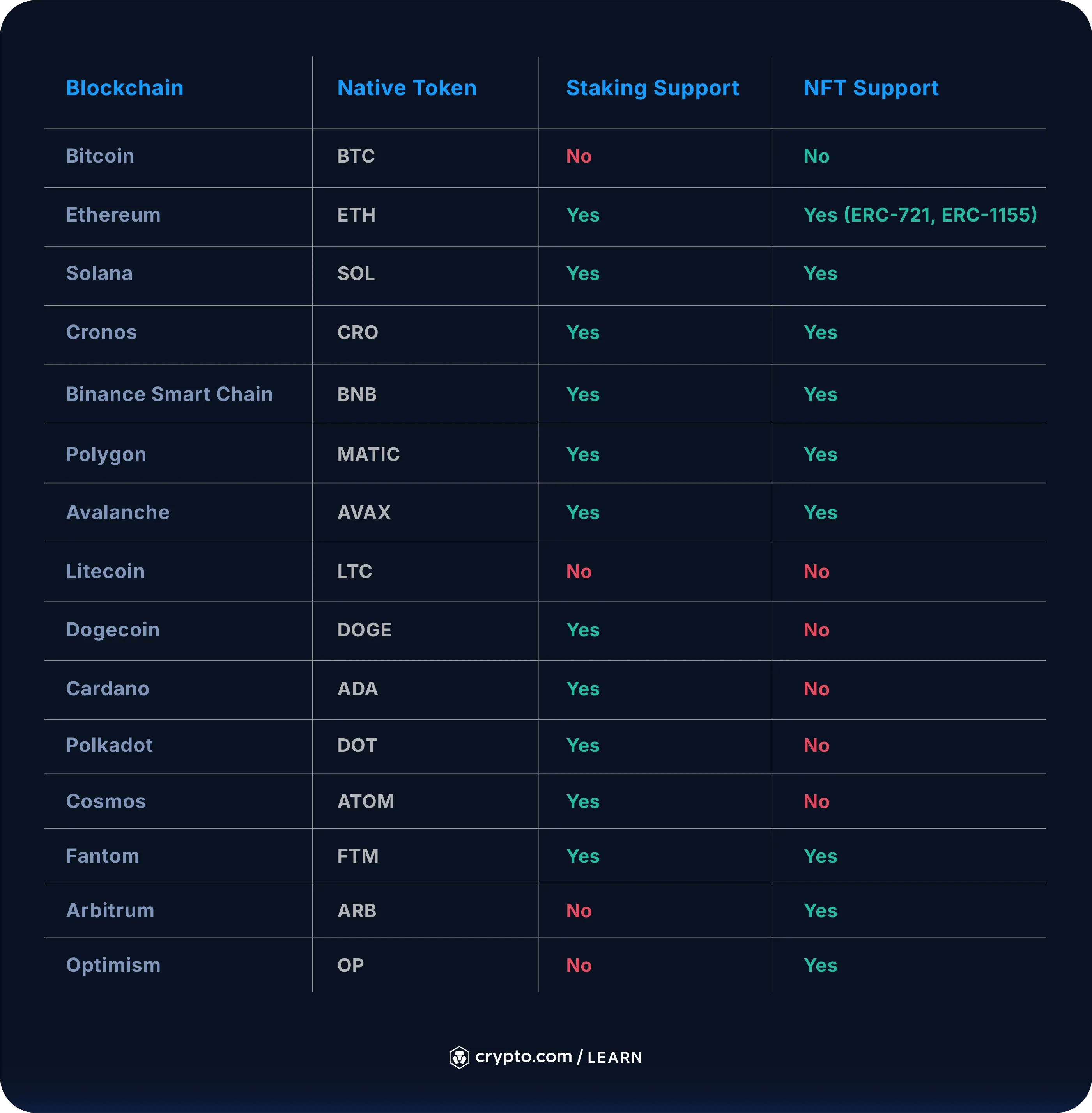
Your treasury needs to maintain sufficient stablecoin liquidity to cover payouts. Over-reliance on volatile assets introduces unnecessary risk for creators who expect predictable income. Integrating a reliable stablecoin like USDC ensures that the value transferred remains stable. You also need to monitor gas prices to optimize execution timing. High gas periods can erode small affiliate commissions, so batching during low-congestion windows is essential.
Monitoring and Settlement
Real-time monitoring is critical. You need dashboards that track pending payouts, successful settlements, and failed transactions. Failed transactions due to insufficient gas or contract errors must be automatically retried or flagged for manual review. Transparency is key; creators should be able to verify their payouts on-chain using transaction hashes. This builds trust and reduces support overhead.
Market research and revenue models
Onchain creator affiliate payouts are shifting from simple referral links to structured, programmable revenue models. The primary tension for creators and platforms alike is balancing immediate cash flow with long-term alignment. Understanding the difference between Cost Per Action (CPA) and Revenue Share (RevShare) is essential for building a sustainable monetization strategy.
CPA vs. RevShare: Choosing the Right Model
Cost Per Action (CPA) pays a fixed bounty for a specific event, such as a new user deposit or a completed trade. This model is predictable and low-risk for platforms, making it ideal for acquiring new users quickly. However, it often lacks upside potential for creators if the referred user becomes a high-value, long-term participant.
Revenue Share (RevShare), by contrast, pays a percentage of the net revenue generated by referred users over time. This aligns incentives: creators are motivated to drive quality traffic that stays engaged. For onchain platforms, this is often more profitable in the long run, as it rewards creators for building loyal communities rather than just chasing sign-ups.
Regulatory Impact on Payout Structures
Regulatory frameworks are increasingly influencing how these payouts are structured and distributed. In many jurisdictions, treating affiliate commissions as securities or unlicensed money transmission services can create significant legal friction. Platforms are responding by using stablecoins like USDT and USDC for payouts, reducing fiat-conversion friction and ensuring faster, more transparent transfers.
The choice between CPA and RevShare also affects regulatory risk. CPA models are often viewed as simpler marketing expenses, while RevShare arrangements can sometimes be scrutinized more closely depending on the jurisdiction's stance on profit-sharing agreements. Creators should prioritize platforms that offer clear, compliant payout structures to avoid unexpected legal hurdles.
Market Trends and Volatility
The value of affiliate earnings is inherently tied to the volatility of the underlying crypto assets. A 10% commission on a volatile asset can swing significantly in value within hours. To mitigate this, many platforms now offer stablecoin payout options, allowing creators to lock in value immediately upon receipt.
This volatility also impacts the effectiveness of CPA models. If a platform pays a fixed bounty in a volatile token, the real-world value of that payout can erode quickly. Creators should evaluate whether the platform’s commission structure accounts for this risk, either through stablecoin payouts or by adjusting CPA rates based on market conditions.
Choosing the right affiliate strategy
Selecting an onchain payout strategy requires matching your platform’s technical capabilities with your audience’s risk tolerance. Unlike traditional affiliate networks that hold funds in escrow, onchain programs settle directly via smart contracts. This shift eliminates counterparty risk but introduces new variables: gas costs, token volatility, and compliance boundaries. The goal is to minimize friction for the creator while preserving the platform’s ability to audit traffic quality.
Start by evaluating the payout token’s liquidity depth. High-commission programs often use volatile altcoins, which can erode creator earnings before withdrawal. If your audience demands stability, anchor payouts to stablecoins or major assets like Bitcoin. Monitor the asset’s market behavior using a live chart to gauge volatility trends before committing to a commission structure.
Decide between revenue share, CPA (cost per action), or hybrid models. Onchain infrastructure allows for transparent, automated revenue sharing where smart contracts distribute fees in real time. This model aligns incentives better than flat CPA payouts, as creators earn continuously from the activity they drive. Ensure the smart contract logic clearly defines attribution windows to prevent disputes.
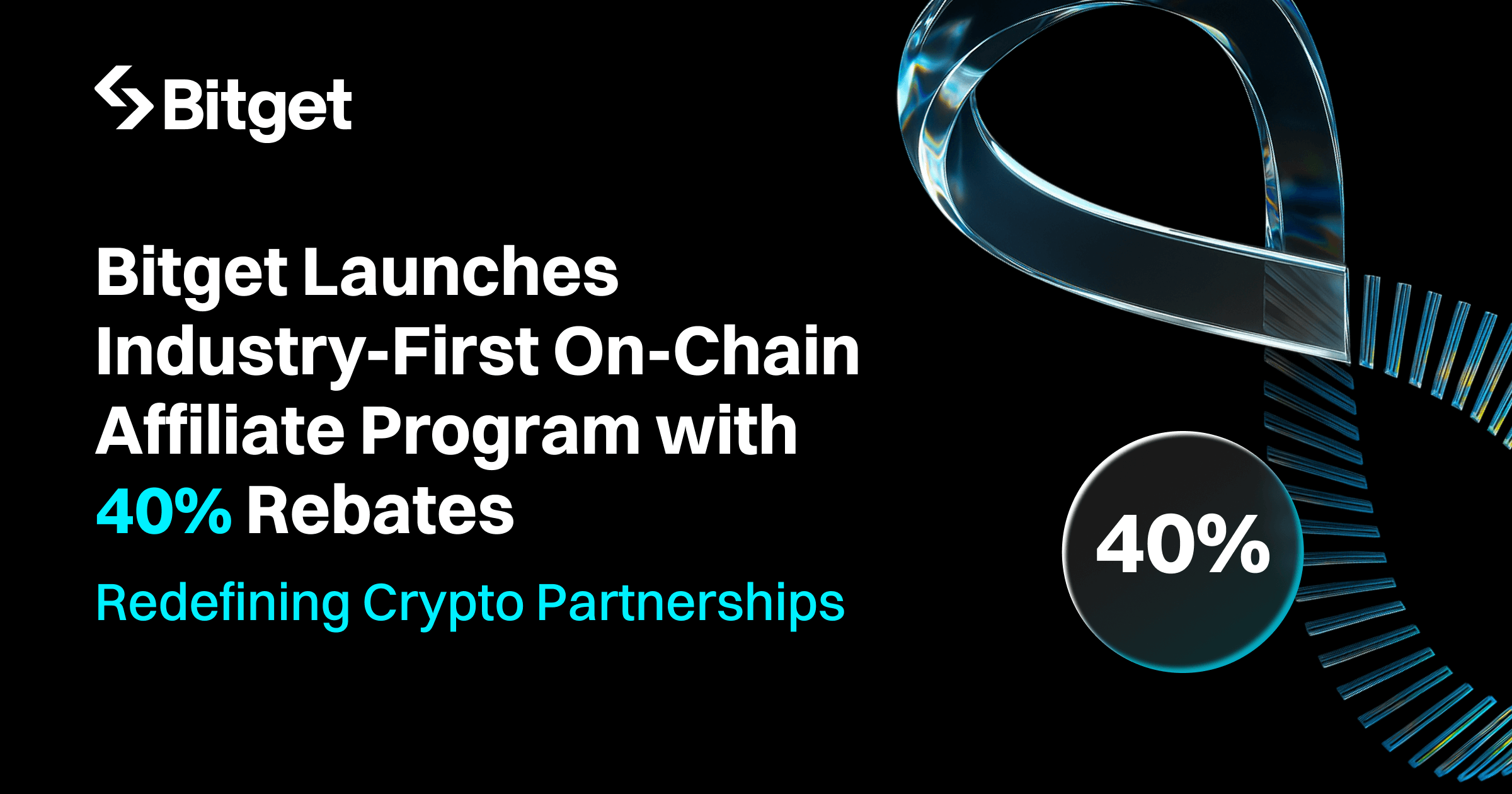
Onchain does not mean lawless. Many jurisdictions still classify crypto payouts as securities or taxable income. Choose a strategy that allows you to filter users by region if necessary. Platforms like Bitget have launched on-chain affiliate programs with rebates, but they still operate within regulatory frameworks. Ensure your payout mechanism doesn’t inadvertently expose your platform to unlicensed money transmission liabilities.

High gas fees can destroy the economics of small-ticket affiliate payouts. If a creator earns $5 but pays $10 in gas to withdraw, the model fails. Use Layer 2 solutions or sidechains with low transaction costs for frequent, smaller payouts. Reserve mainnet settlements for larger, less frequent distributions. The user experience must feel as seamless as traditional banking, even if the backend is decentralized.
A decision framework that prioritizes liquidity and compliance first will protect your platform from regulatory scrutiny and financial loss. Once those foundations are set, you can optimize for creator experience through low-cost settlement layers.
Frequently asked questions about onchain creator payouts
How much can I earn from onchain affiliate payouts? Earning potential varies significantly based on the protocol's tokenomics and your audience's trading volume. Unlike traditional web2 affiliate programs that offer fixed fiat commissions, onchain payouts are often denominated in volatile tokens. While some creators report earning $100+ daily by focusing on high-ticket DeFi products, your actual revenue depends on token price stability. Always calculate your expected earnings in USD, not just token count, to account for market swings.
What are the technical requirements to start? You need a self-custody wallet and a basic understanding of smart contract interactions. Most onchain affiliate programs require you to generate a unique referral link that embeds your wallet address or a specific smart contract parameter. When a user signs up or trades via your link, the protocol's smart contract automatically calculates and distributes your commission. No middlemen or manual invoice processing is involved.
Are onchain affiliate payouts taxable? Yes. In most jurisdictions, receiving crypto tokens as compensation is considered taxable income at the fair market value of the token on the day you receive it. Because onchain payouts can be frequent and in volatile assets, tracking these events for tax purposes is critical. Many creators use portfolio tracking tools that integrate with their wallets to log these transactions automatically.
How do I track my referrals? Most reputable onchain affiliate dashboards provide real-time data on clicks, sign-ups, and pending commissions. Because the transactions are recorded on the blockchain, you can verify payouts independently by viewing the transaction hash on a block explorer. This transparency reduces the risk of underpayment compared to opaque web2 platforms.
Is there a minimum withdrawal amount? Minimums depend on the specific protocol and the network's gas fees. Some platforms allow instant withdrawals of small amounts, while others require a threshold to make the transaction cost-effective. Always check the "Payout" or "Settings" section of the affiliate dashboard for the current limits.
No comments yet. Be the first to share your thoughts!