The onchain payout shift
Traditional fiat payout infrastructure is breaking for onchain creators. Sending affiliate commissions across borders through banks involves multiple intermediaries, opaque fee structures, and settlement times that stretch from days to weeks. For creators operating in the global crypto economy, waiting days for a payout is not just an inconvenience; it is a liquidity trap that stifles growth.
Onchain infrastructure solves this friction by enabling direct-to-wallet settlements. Instead of routing payments through correspondent banks or third-party processors, creators receive funds in stablecoins or native tokens within seconds. This shift eliminates the middlemen that traditionally siphon off value, reducing intermediary fees by up to 50% compared to traditional networks.
The result is a payout model that matches the speed of the industry it serves. Creators can access their earnings immediately, reinvest in campaigns, or convert assets without waiting for banking hours. This efficiency is not just about speed; it is about giving creators full control over their revenue streams.
Build vs. partner choices that change the plan
When architecting onchain creator affiliate payouts, the first fork in the road is whether to construct your own settlement layer or integrate with an embedded finance provider. This decision dictates your time-to-market, compliance burden, and long-term operational costs. There is no universal winner; the right choice depends on your volume, technical maturity, and risk tolerance.
Building a custom onchain payout engine gives you absolute control over the user experience and fee structure. You can design for specific token standards, integrate complex multi-signature wallets, and avoid per-transaction fees charged by third parties. However, this path demands significant engineering resources to handle wallet management, key security, and gas optimization. You also bear the full weight of regulatory compliance, including KYC/AML checks and tax reporting, which becomes exponentially harder as you scale globally.
Partnering with infrastructure providers like Zerohash or Zexel shifts the heavy lifting to specialists. These platforms offer pre-built APIs that handle complex onchain transfers, consolidate invoices, and manage compliance workflows. For most platforms, this means launching faster with a lower initial technical debt. The tradeoff is less customization and a reliance on third-party uptime. You are essentially trading control for speed and risk mitigation.
Comparison: Build vs. Partner
The following table breaks down the core operational differences between constructing your own payout infrastructure and partnering with existing providers.
| Metric | Build Custom | Partner |
|---|---|---|
| Time-to-Market | 3–6 months (engineering + audit) | 2–4 weeks (API integration) |
| Compliance Burden | Full responsibility (KYC/AML/Tax) | Provider-assisted or shared |
| Transaction Fees | Network gas only | Network gas + platform markup |
| Scalability | Limited by internal engineering capacity | Provider-managed global scale |
| Customization | Total control over UX and logic | Constrained by API capabilities |
When to Build
Building is typically reserved for platforms with massive volume, specialized token requirements, or strict data sovereignty needs. If you are processing tens of thousands of transactions daily, the per-transaction fees of a partner might outweigh the engineering costs. Additionally, if your affiliate program requires highly complex, multi-step logic that existing APIs cannot support, a custom solution may be necessary.
When to Partner
Partnering is the pragmatic choice for most startups and mid-sized platforms. If your goal is to validate the affiliate model or launch quickly, integrating a provider like Zerohash allows you to focus on growth rather than infrastructure. Providers also bring built-in fraud detection and compliance frameworks that would be costly and time-consuming to develop in-house.
Tracking and verification layers
Accurate attribution is the backbone of onchain creator affiliate payouts infrastructure. Without a reliable tracking layer, you cannot distinguish between a legitimate referral and a fraudulent claim. The system must capture the initial click, record the user’s session, and finally verify the on-chain settlement proof.
The process begins with click tracking. When a user clicks an affiliate link, the system logs the event and assigns a unique identifier. This identifier travels with the user through the conversion funnel. It must survive cross-device jumps and browser restrictions to remain valid at the moment of purchase or subscription.
On-chain verification closes the loop. Once a transaction occurs, the smart contract or off-chain oracle checks the blockchain for the required action. Stablecoin payouts on networks like Ethereum or Solana provide immutable records. This documented transaction proof ensures that commissions are paid only for verified, completed actions, reducing intermediary fees and settlement times from days to seconds.
Market leaders and tools
The onchain creator affiliate payouts infrastructure landscape is shifting from experimental code to standardized enterprise-grade rails. As creator economies scale, the bottleneck is no longer just attracting affiliates, but reliably distributing commissions across fragmented blockchains. The leading tools in this space solve the "last mile" problem by converting complex onchain transfers into simple, secure, and compliant payouts.
Zerohash
Zerohash focuses on the backend complexity of global payments and creator earnings. Their infrastructure is built for scale, handling the heavy lifting of multi-chain compliance and settlement. For marketplaces and platforms, Zerohash abstracts the technical debt of managing liquidity pools and gas fees, allowing teams to focus on creator relationships rather than blockchain mechanics. This approach is critical for high-stakes affiliate programs where transaction failures directly impact trust and revenue.
Hinkal
Hinkal positions itself as a specialized solution for crypto-native affiliate programs. Their platform addresses the unique volatility and settlement speed requirements of digital asset commissions. With platforms like ChangeNOW distributing millions in monthly commissions, the need for a dedicated affiliate payout infrastructure is evident. Hinkal’s tools are designed to handle the high volume of micro-transactions typical in crypto exchanges, ensuring affiliates are paid quickly and accurately without manual intervention.
Zexel
Zexel offers a hybrid approach that bridges traditional finance workflows with onchain capabilities. Their system supports everything from simple CSV uploads for mass payouts to deep API integrations for automated, real-time settlements. This flexibility allows creators to choose the level of automation that fits their operational maturity. By consolidating invoices and providing a unified view of payouts, Zexel reduces the administrative burden that often stifles growth in creator affiliate programs.
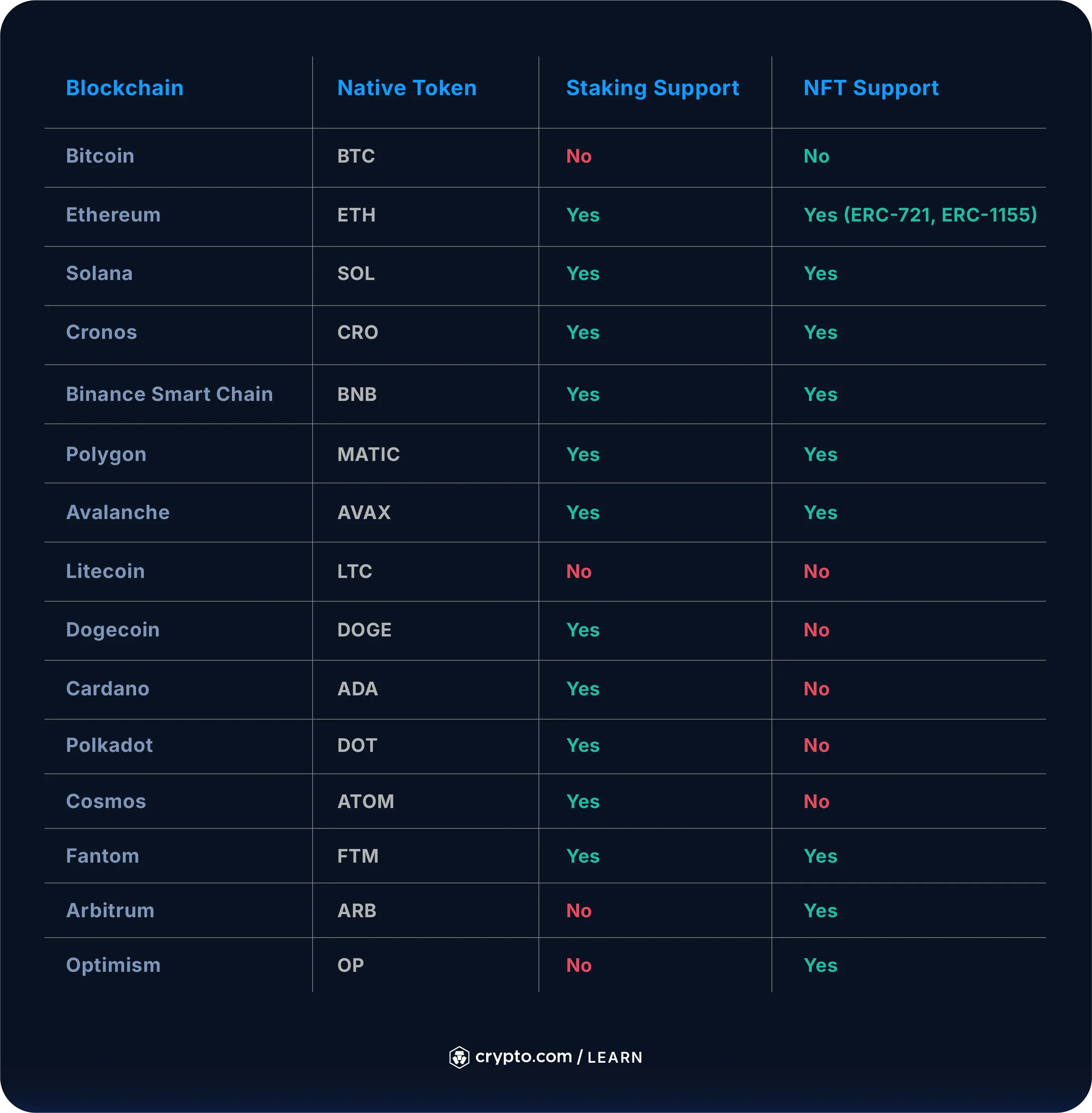
Market Context
The volatility of the broader crypto market underscores the importance of stable, reliable payout infrastructure. When the market swings, creators need assurance that their commissions are safe and settled, regardless of asset price fluctuations.
Compliance and tax realities
The blockchain is not a lawless zone. While onchain creator affiliate payouts infrastructure offers speed and transparency, it does not exempt you from existing financial regulations. Treating crypto transfers as tax-free or unregulated is a dangerous misconception that can lead to severe penalties for both platforms and creators.
KYC and AML compliance are non-negotiable foundations. Before any commission is disbursed, you must verify the identity of your affiliates. This is particularly critical in high-risk verticals like crypto gambling, where regulators demand strict adherence to anti-money laundering protocols to prevent illicit funds from moving through your payout systems.
Tax reporting is equally complex. In the United States, for example, payouts often trigger 1099 reporting requirements. Your infrastructure must be able to generate the necessary documentation to support these filings. If your system cannot track and report these transactions accurately, you risk non-compliance with IRS guidelines.
Partnering with established payout providers can simplify this burden. They often handle the heavy lifting of regulatory compliance, allowing you to focus on growth while ensuring your affiliate program remains legally sound.
Choosing your payout strategy
Selecting the right infrastructure for onchain creator affiliate payouts depends on your current volume and technical capacity. There is no single correct path; the decision hinges on whether you can maintain the system yourself or need a partner to handle the complexity.
For early-stage programs with under 50 affiliates, manual CSV uploads are sufficient. This approach requires minimal technical overhead and allows you to test your affiliate structure before committing to expensive infrastructure. It is the fastest way to launch onchain payouts using stablecoins like USDC.
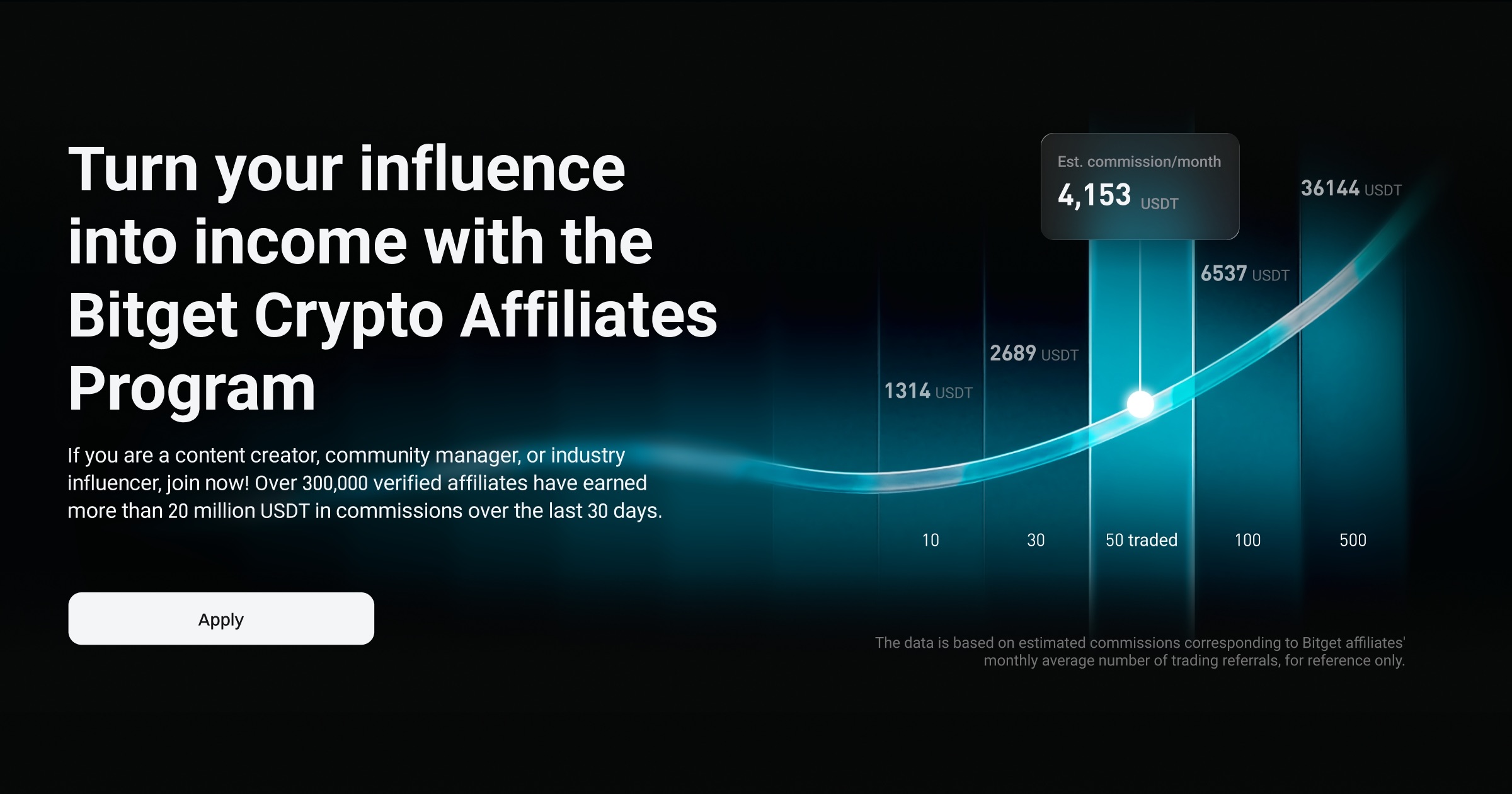
As your affiliate base grows beyond 100 creators, manual processes become a bottleneck. API integration enables automated, real-time payouts. This shift reduces administrative errors and allows creators to receive commissions instantly, which is a primary benefit of onchain creator affiliate payouts infrastructure over traditional banking rails.
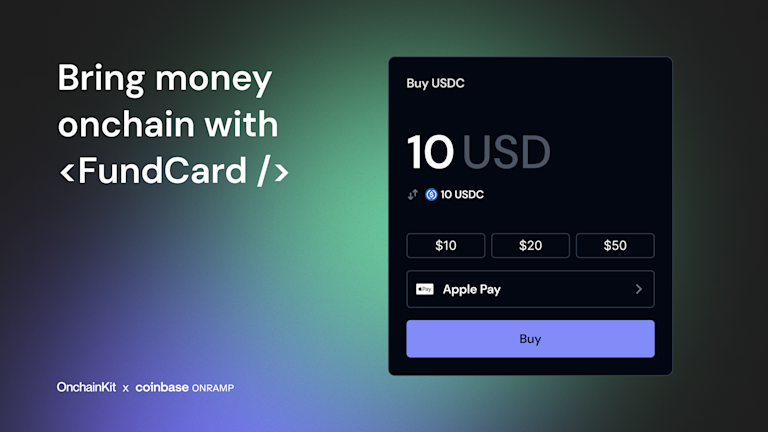
If your program operates in regulated jurisdictions or requires complex tax reporting, building a full-stack solution may be too risky. Partnering with a dedicated payout provider handles KYC/AML checks and generates consolidated invoices. This allows your team to focus on creator acquisition rather than compliance engineering.
Your choice should balance speed to market with long-term scalability. Start simple, then upgrade your infrastructure as your affiliate volume justifies the investment.
Highest paying affiliate programs
When evaluating onchain creator affiliate payouts infrastructure, revenue potential often dictates whether you build or partner. The market leader for high-yield commissions is ChangeNOW. Their affiliate program stands out because it offers a lifetime revenue-share model, meaning you earn commissions from every completed exchange, not just initial sign-ups.
According to 2026 industry statistics, top-tier platforms like ChangeNOW pay an average of $5,853 per affiliate monthly. This recurring revenue structure provides a more stable income floor compared to one-time CPA models, making it a critical consideration for long-term creator monetization strategies.
No comments yet. Be the first to share your thoughts!