What onchain affiliate payouts actually are
Onchain affiliate payouts replace traditional banking rails with smart contracts, native tokens, and direct crypto settlements. Instead of waiting for a monthly invoice cycle or navigating multi-tier payment gateways, creators receive commissions directly into their wallets the moment a tracked conversion occurs. This shift isn't just about speed; it fundamentally changes who controls the funds and how transparency is verified.
In the traditional web2 model, affiliate networks act as middlemen that hold your earnings, apply currency conversion fees, and determine the payout schedule. You trust their dashboard numbers without being able to independently verify the underlying transactions. Onchain, the logic is public. Every referral link click, conversion event, and payout transaction is recorded on the blockchain, allowing creators to audit the entire journey from click to coin without relying on the platform's word.
The settlement assets themselves also differ significantly. While web2 programs typically pay out in fiat currency via PayPal or wire transfer, onchain programs often distribute commissions in stablecoins like USDC or the platform's native governance tokens. This allows creators to retain exposure to crypto assets if desired, or instantly move funds to cold storage without intermediary delays. The infrastructure is built for self-custody, putting the power back in the creator's hands rather than leaving earnings stranded in corporate accounts.
How network choice shapes creator earnings
The blockchain you pick for payouts isn't just a technical detail; it determines how much of the commission actually reaches the creator's wallet. Settlement infrastructure has evolved from slow, expensive legacy chains to optimized layer-2 solutions and stablecoin rails. For creators, the difference between a $50 payout and a $45 payout after fees can change the viability of small-scale affiliate marketing entirely.
Bitcoin (BTC) and Ethereum (ETH) settlement
Bitcoin and Ethereum remain the most recognized settlement layers, but their fee structures vary significantly based on network congestion. BTC transactions are generally slower and can become prohibitively expensive for small payouts, making them less ideal for frequent, low-value affiliate commissions. ETH, particularly when settled on layer-2 networks like Arbitrum or Base, offers faster confirmation times and lower fees, though gas prices can still spike during high-demand periods.
Creators should consider the volatility risk when receiving payouts in native tokens. A $100 commission paid in ETH might be worth $90 by the time it clears the network if the market dips. This volatility is a real factor in net earnings, especially for creators who rely on consistent cash flow.
Stablecoin payouts (USDT and USDC)
Stablecoins like USDT and USDC have become the preferred choice for many affiliate programs due to their price stability and lower transaction costs on specific networks. Settling payouts on networks like Tron (TRC-20) or Polygon often results in fees under $1, making micro-payments economically viable. This efficiency allows programs to pay creators more frequently without eroding margins through transaction costs.
However, creators must be aware of the underlying network risks. While USDT is widely accepted, its issuance and regulatory status vary by jurisdiction. USDC is generally perceived as more compliant with US regulations, which can matter for creators operating in strict financial environments. Always verify which stablecoin and network the affiliate program supports before committing to a partnership.
Settlement speed and fee comparison
The table below compares the typical characteristics of major settlement networks used in crypto affiliate payouts as of 2026. These figures are approximate and can vary based on real-time network conditions.
| Network | Avg. Settlement Time | Typ. Fee per Tx | Risk Level |
|---|---|---|---|
| Bitcoin (BTC) | 10-60 minutes | $1-$10+ | High |
| Ethereum (ETH) | 15 seconds - 5 mins | $0.50-$20+ | High |
| USDT (TRC-20) | ~15 seconds | $1-$2 | Low |
| USDC (Polygon) | ~2 seconds | <$0.01 | Low |
Choosing the right network requires balancing speed, cost, and stability. For creators focused on maximizing net earnings, stablecoin settlements on low-fee networks often provide the most predictable and efficient payout structure.
Top platforms for creator affiliate programs
The onchain affiliate landscape has shifted from simple referral links to structured creator infrastructure. For creators, the priority is no longer just the commission rate, but the reliability of the payout and the clarity of the tracking. A high percentage means little if the platform delays payments or uses opaque attribution windows.
Crypto.com offers a straightforward path for creators focused on exchange adoption. Their program allows affiliates to earn up to 50% commission on the trading fees of referred users. The platform prioritizes timely monthly payouts once actions are validated, reducing the friction of chasing payments. This structure works best for creators who drive high-volume trading activity rather than one-time signups.
Bitget Wallet has carved out a niche by targeting community managers and influencers with aggressive commission tiers. Their global affiliate program offers up to 60% commission, specifically designed to reward creators who drive user engagement in decentralized trading environments. This high yield compensates for the typically lower volume of DeFi interactions compared to centralized exchanges.
Kraken provides a stable, transparent option for creators who value regulatory clarity and stablecoin payouts. Creators in their in-house program are paid in USDC directly to their Kraken account. The default payout is monthly, but on-demand options are available once a threshold is met. This reliability makes it a solid foundation for creators building long-term, compliant revenue streams.
Tools for getting started
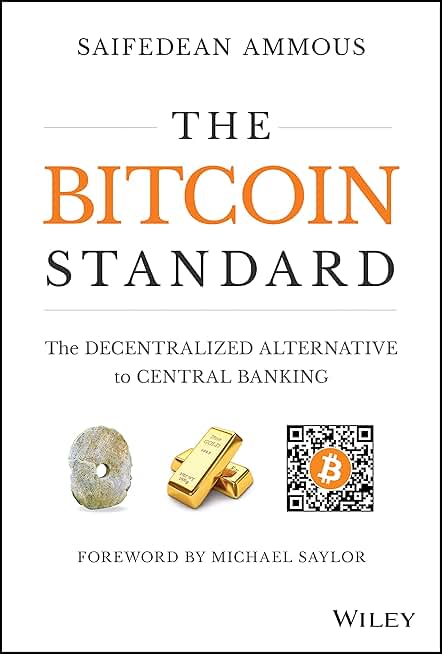
Entering the onchain affiliate space requires a secure baseline. Before promoting complex DeFi protocols or exchange links, creators should ensure their own infrastructure is protected. Hardware wallets and foundational educational resources help mitigate the security risks inherent in crypto promotion.

As an Amazon Associate, we may earn from qualifying purchases.
Revenue strategy and compliance basics
Building a sustainable income from onchain affiliate links requires treating your program as a business infrastructure, not just a marketing tactic. The highest-earning creators align their payout structures with their audience’s lifecycle, ensuring they are compensated for long-term value rather than just one-time sign-ups.
1. Structure for lifetime value
Most crypto affiliate programs offer significantly higher commissions than traditional digital markets. Industry data indicates that affiliate partners can earn between 20% and 50% lifetime revenue share on trading fees, a rate roughly ten times higher than typical SaaS or e-commerce programs [src-serp-6].
To maximize this, prioritize programs that offer recurring commissions. Instead of chasing one-time sign-up bonuses, focus on platforms where you earn a percentage of the trading fees generated by your referrals for as long as they remain active. This creates a compounding revenue stream that grows as your audience engages more deeply with the platform.
2. Optimize cookie durations
The window in which you get credit for a sale—known as the cookie duration—is critical. Shorter windows (24-48 hours) pressure your audience to act immediately, which can hurt conversion rates for complex onboarding flows. Longer windows (30-90 days) give your audience time to research, compare, and eventually sign up, ensuring you get credit for their decision.
When evaluating programs, look for those offering at least 30-day cookie durations. This gives you enough time to nurture leads through educational content without losing attribution. If a platform only offers a 24-hour window, it may be better suited for low-friction, impulse-driven promotions rather than building a loyal community.
3. Choose multi-currency settlement
Reliable payout infrastructure is the backbone of your revenue strategy. Leading crypto affiliate networks now support first-class payout capabilities, allowing settlements in BTC, ETH, and USDT across different wallet tiers [src-serp-1].
Having the option to be paid in stablecoins like USDT can protect your earnings from market volatility, while receiving payments in BTC or ETH can align with a long-term hold strategy. Ensure the program you choose supports your preferred wallet type and has a clear, transparent fee structure for withdrawals.
4. Navigate compliance and tax reporting
Affiliate income is taxable income. In the United States, the IRS treats affiliate commissions as self-employment income, requiring you to report them on your tax returns. Many platforms now provide automated tax documents, but you are ultimately responsible for accurate reporting.
Additionally, be aware of Anti-Money Laundering (AML) regulations. Reputable platforms will require identity verification (KYC) before processing significant payouts. This is a standard security measure, not a barrier to entry. By partnering with compliant platforms, you protect yourself from legal risks and ensure your revenue stream remains stable and auditable.
Market trends and future outlook
The onchain affiliate market is shifting from experimental pilots to structured infrastructure. Creators are moving beyond simple referral links toward programs that leverage smart contracts for transparent, automated payouts. This transition reduces friction and builds trust, as creators can verify commissions in real time without waiting for monthly reconciliation from centralized platforms.
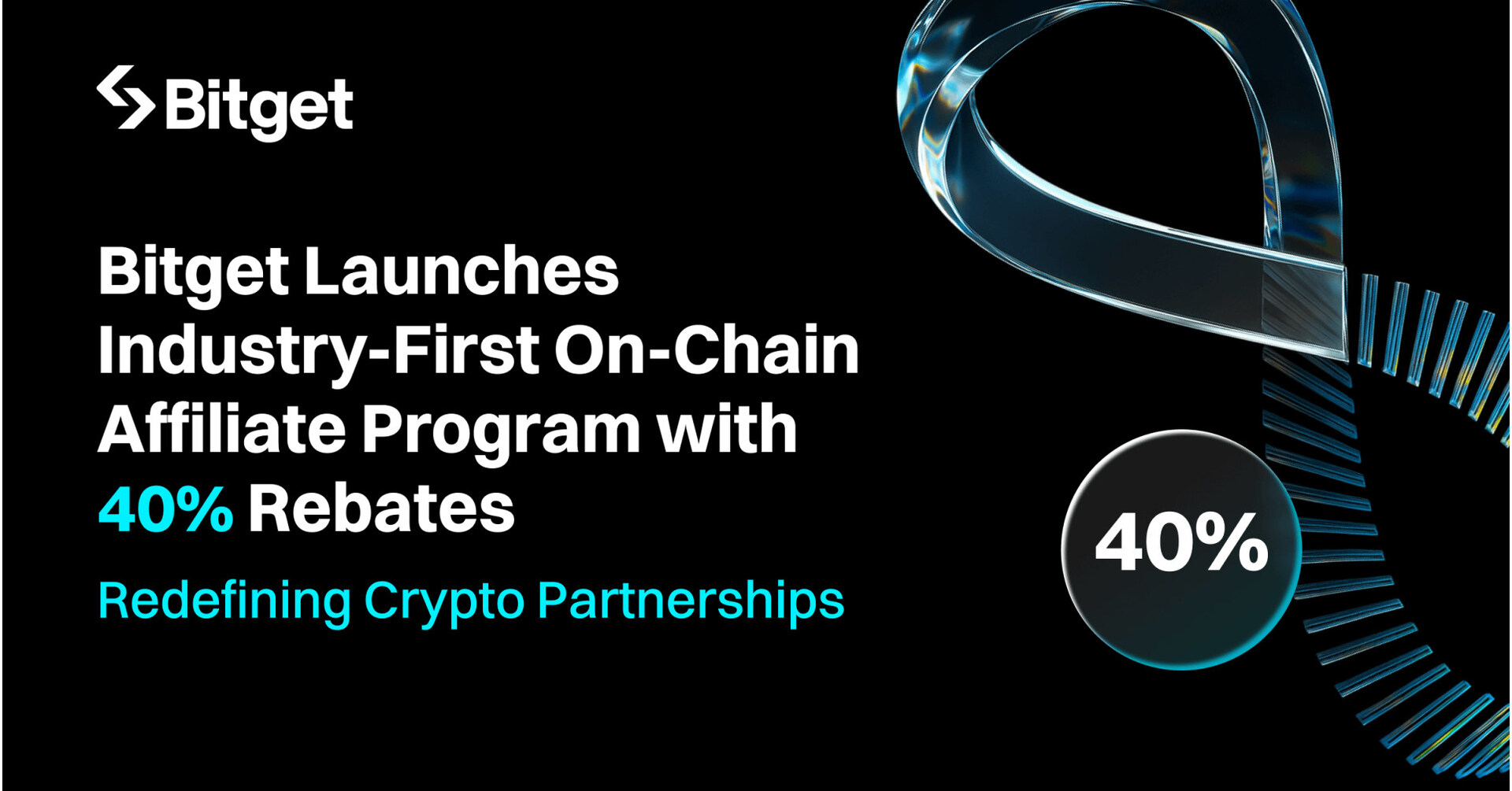
NFT-based affiliate programs are gaining traction as a way to gamify creator incentives. Instead of flat fees, some platforms issue NFT badges or tokens that represent tiered commission rates or exclusive access to early-stage projects. This model aligns long-term incentives between creators and protocols, turning affiliates into stakeholders rather than just promoters. For example, exchanges like Bitget have launched on-chain affiliate programs with significant rebates to support content creators, signaling a broader industry acceptance of this model.
Tracking these trends requires live data. Static reports quickly become outdated as tokenomics evolve and new payout structures emerge. Creators should monitor on-chain metrics and official protocol announcements to stay ahead of shifts in commission rates or program eligibility. The infrastructure is maturing, but the landscape remains dynamic, rewarding those who adapt quickly to new on-chain economic models.
No comments yet. Be the first to share your thoughts!